• Home
  • Suggest A DIY
  • DIY Newsletter

Edible Crafts

Creative food craft ideas

  • About CraftGossip
  • Our Network
    • Bath & Body Crafts
    • Candle Making Ideas
    • Crochet Ideas
    • Cross Stitch
    • Edible Crafts
    • Felting Patterns
    • Glass Art
    • Home & Garden Ideas
    • Indie Crafts
    • Jewelry Making
    • Kids Crafts
    • Knitting Patterns
    • Lesson Plans
    • Needlework
    • Party Ideas
    • Polymer Clay
    • Quilting Ideas
    • Recycled Crafts
    • Scrapbooking
    • Sewing Patterns
    • Card Making
    • DIY Weddings
    • Not Craft Ideas
  • Giveaways
  • Roundups
  • Store
  • Search

Rainbow Spaghetti and Other Edible Sensory Activities

July 21, 2021 by Mel


While I don’t have kids myself, I do know the benefits of sensory play, especially for babies and tots. 

These little hands are always touching everything just to explore the different feels and senses around them as their brains grow. 

The only thing is that little ones love putting everything in their mouths, so what better way to have them explore and be safe with edible sensory toys that you can make with ingredients you already likely have in the house.

I’ve rounded up some of the best DIY toys I’ve come across with all types of textures that are all food and kid safe.

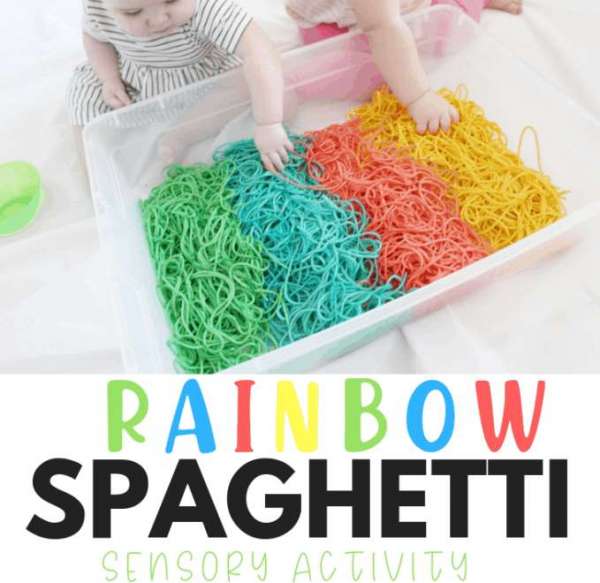
Visit Little Learning Club for this easy edible rainbow spaghetti and squishy colourful noodles. Some other great recipes are listed below.

DIY Jelly Fossil Dig – Use plastic or gummy dinosaurs and bury in jello for your little one to find.

Edible Cereal Sand – Just grind up some cereal, use fruit loops for colour and let the kids go nuts. 

Jello Fish World – Similar to the dinosaur dig, use gummy or plastic fish in a container of cubed blue jello and fish for fish. 🙂

Magic Milk – Create coloured milk or use a straw to marble the colours together to make loops and swirls all while being completely safe to drink later.

Are you looking for the best sensory toys and activities for your child? Explore our comprehensive resources to enhance your child’s sensory play and development. Check out our curated Amazon Idea List featuring top-rated sensory toys and items, and don’t miss our expertly written articles on sensory activities. Start creating fun and educational sensory experiences today!
«
»

Have you read?

Easy Homemade Mayonnaise Recipe – Know Exactly What’s in Your Food

I’ve become much more interested in knowing what is actually in the food I’m eating.

Not in an obsessive, everything-must-be-made-from-scratch sort of way. I still have convenience foods in my pantry and I’m certainly not standing around churning my own butter on a Tuesday afternoon.

But there are some everyday foods that are so ridiculously easy to make yourself that it’s worth knowing how.

Mayonnaise is one of them.

When you make homemade mayonnaise, there is no ingredient label to decipher because you put every ingredient in the jar yourself.

Egg.

Oil.

Mustard.

Lemon juice or vinegar.

Salt.

That’s basically it.

You choose the oil. You choose the egg. You decide how much salt goes in. You can make it tangier, milder, garlicky, spicy or completely plain.

And with a stick blender, the whole thing takes only a couple of minutes.

Why Make Your Own Mayonnaise?

For me, the biggest advantage isn’t actually the flavour—although fresh mayonnaise is delicious.

It’s ingredient control.

Commercial mayonnaise varies enormously between brands. Depending on what you buy, the ingredient list may include different oils, sugars or sweeteners, preservatives, stabilisers, thickeners and flavourings.

That doesn’t automatically make supermarket mayonnaise “bad.”

It simply means that when you make it yourself, you know exactly what you’re eating.

Homemade mayo lets you choose:

  • which oil you use
  • the type of egg
  • how much salt goes in
  • whether you add sugar
  • how acidic or tangy it tastes
  • whether you add herbs, garlic or spices

If you’re beginning to cook more foods from basic ingredients, mayonnaise is a brilliant little recipe to learn because the result feels far more impressive than the amount of work involved.

Five Simple Ingredients

You don’t need a cupboard full of specialist ingredients.

For approximately one cup of homemade mayonnaise you’ll need:

  • 1 large pasteurized egg
  • 1 tablespoon Dijon mustard
  • 1 tablespoon fresh lemon juice or white wine vinegar
  • 1/4 teaspoon fine salt
  • 1 cup neutral-flavoured oil

That’s your mayonnaise.

No complicated processing and no mystery ingredients.

And because you are making it, you can adapt every one of those ingredients to suit your household.

You Get to Choose the Oil

This is one of the biggest reasons I like making mayonnaise myself.

Oil makes up a large percentage of mayonnaise, yet when we grab a jar from the supermarket we don’t always stop to think about which oil has been used.

At home, the choice is yours.

For a mild mayonnaise, try:

  • sunflower oil
  • grapeseed oil
  • avocado oil
  • canola oil
  • another mild vegetable oil

You can also use some olive oil, although a strongly flavoured extra virgin olive oil can produce a mayonnaise that’s surprisingly bitter once blended.

I usually recommend starting with:

3/4 cup neutral oil + 1/4 cup mild olive oil

Then adjust the ratio next time according to your taste.

That’s really the point of making basic foods yourself.

You aren’t limited to somebody else’s recipe.

You Control the Salt and Sugar Too

If you’re watching how much added sugar or salt is in your food, homemade mayonnaise gives you complete control.

The basic recipe doesn’t need added sugar at all.

You can also begin with a small amount of salt, taste the finished mayonnaise and add more only if it needs it.

It’s a very simple example of something I’ve been appreciating more lately: rather than trying to decode a food label after something has been made, sometimes it’s easier to start with the ingredients yourself.

Homemade Doesn’t Have to Mean Complicated

There’s an unfortunate idea that making food from scratch means spending half your day in the kitchen.

Absolutely not.

I’m interested in homemade food when the effort makes sense.

If something takes three hours, sixteen bowls and leaves the kitchen looking like a cooking competition has taken place, I’m considerably less enthusiastic.

This mayonnaise passes my test.

With an immersion blender, it takes about five minutes.

Add everything to a narrow jar, put the blender at the bottom, blend until the emulsion begins to form and slowly lift the blender through the oil.

Suddenly you have thick homemade mayonnaise.

It’s one of those little kitchen tricks that’s genuinely worth learning.

A Small Change That Makes You Look at Food Differently

Once you start making a few everyday staples yourself, you begin noticing food labels differently.

Not because every packaged ingredient needs to be avoided.

It simply becomes easier to ask:

What is actually in this?

Could I make a simple version myself?

Do I prefer the ingredients I’d choose at home?

Sometimes the answer will still be, “I’m buying the jar.”

And that’s perfectly reasonable.

But when something takes five minutes and five basic ingredients, having the homemade option is rather nice.

Mayonnaise is a very good place to start.

Categories

Baked candy chocolate Christmas cookies Craft Inspirations cupcakes Drinks Easter fruit Fun With Food Halloween Holidays kids More Recipes non-sweets Parties & entertaining Recipes Thanksgiving Valentines Day

“Popsicle” Candy Cupcake Toppers

Fondant 101

Potato Poppers Party Food

Cool Down this Summer with These Fancy Ice Cube Ideas

Entenmann’s French Toast Soft’ees review

RSS More Articles

  • 10 Fall Leaves Scrapbook Layout Templates for Cosy Autumn Memory Keeping
  • Activities and Crafts for Johnny Appleseed Day
  • Totoro Knitting Patterns
  • Mixed-Fibre Quilts: How to Combine Linen, Hemp and Cotton Lawn Without Regretting It
  • 15 Tapestry Crochet Patterns That Make Colorwork Surprisingly Easy
  • Can You Boil Polymer Clay? The Truth Every Crafter Should Know
  • Easy Homemade Mayonnaise Recipe – Know Exactly What’s in Your Food
  • 10 Dollar Store Home Hacks That Look Surprisingly Expensive
  • DIY Review: Giving a Vintage Milk Can New Life as a Charming Outdoor Side Table
  • 8 FREE Camping Journal and Project Life Cards to Download

Pick Your Blog

  • Sewing
  • Knitting
  • Quilting
  • Crochet
  • Home & Garden
  • Recycled Crafts
  • Scrapbooking
  • Card Making
  • Polymer Clay
  • Cross-Stitch
  • Edible Crafts
  • Felting
  • Glass Art
  • Indie Crafts
  • Kids Crafts
  • Jewelry Making
  • Lesson Plans
  • Needlework
  • Bath & Body
  • Party Ideas
  • Candle Making
  • DIY Weddings
  • Not Craft
  • Free Craft Projects

Explore Edible Crafts

breakfast cake candy chocolate Christmas cookie decorating cookies dessert Easter fruit Halloween Holidays kids lollipop sticks lunch packaging party summer Thanksgiving valentines

Copyright © 2026 · CraftGossip | Start Here | Contact Us | Link to Us | Your Editors | Privacy and affiliate policy